
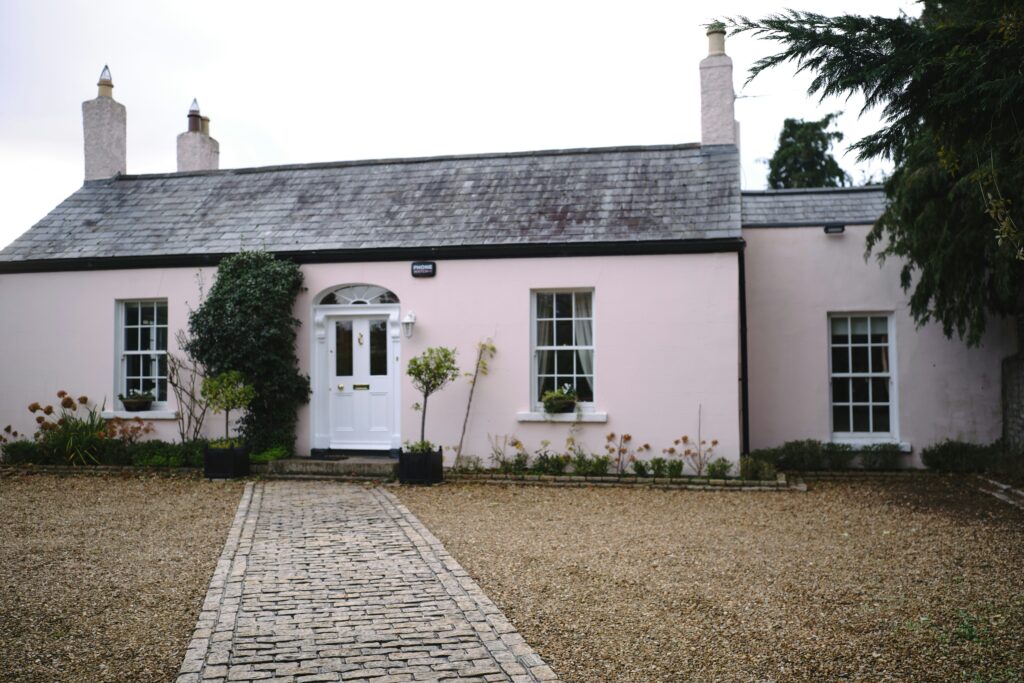
Listed buildings are distinctive and historically significant homes in the UK. They are placed on the National Heritage List for England, compiled by Historic England, because of their special architectural or historical interest. Listing is designed to help protect the character of these properties for future generations.
Listed Buildings & Listed Building Consent
There are three main listing grades:
- Grade I – buildings of exceptional national importance (around 2.5% of listings).
- Grade II* – particularly important buildings of more than special interest (around 5.5% of listings)
- Grade II – the vast majority of listed homes, recognised for their special character or features (92% of listings
Your home being listed doesn’t necessarily prevent you from extending, altering or repairing it. However, it does mean that any work that could require Listed Building Consent (LBC) from your Local Planning Authority (LPA).
You can check if your home is listed by searching the National Heritage List for England.
Navigating Planning Permission
Planning permission is different from listed building consent. Many listed buildings also require planning permission for changes that would materially affect their external appearance or use. While Listed Building Consent aims to protect the heritage value of the building planning permission covers planning impacts, for example design, use, and fit with local and national policies.
When Both Permissions Are Required
If you plan on carrying out works to a listed building, especially one that is listed at Grade 1 or 2*, you may need to obtain both planning permission and Listed Building Consent. Both applications are submitted to your LPA and each application is considered separately.
Permitted development rights are different for listed buildings. Certain projects that for a non-listed building would fall under permitted development rights may require planning permission for a listed building. Where permitted development rights still exist, listed building consent may still be required.
If you’re unsure whether your project requires both consents, it’s best to seek written confirmation from your LPA before starting work. Our related guide on How to Apply for Planning Permission explains the standard application process and supporting documents you’ll need.
Obtaining Listed Building Consent

Listed Building Consent is required for any work that affects the internal or external character of the building. This can include:
- Changing or replacing “historic fabric” such as windows, doors, beams or plasterwork.
- Adding new partitions, staircases or openings.
- Extending the building or altering its roof.
- Cleaning, sandblasting or painting external stone or brickwork.
There’s a separate application process that focuses on the heritage impact of the works. You’ll usually need a heritage statement explaining the building’s significance and how your proposals respect it, detailed drawings showing existing/proposed layouts and materials specifications for all visible elements.
Historic England provides broad guidance notes on what to include in a heritage statement, and most LPAs publish local guidance. This example guidance from Birmingham is typical.
Unlike a planning application, Listed Building Consent applications are free, but approval can take time. LPAs often consult their Conservation Officer before making a decision, which can extend the typical 8-week planning determination period (explained in our How Long Does Planning Permission Take for Homeowners).
The Process Simplified
Step 1: Research and Pre-Application Advice
Before applying it’s a good idea to gather background information on your property’s listing entry and relevant local policies. Many LPAs offer pre-application advice where a conservation officer can flag potential issues early. Do bear in mind that depending on the policies of your LPA pre-application advice may be published.
Step 2: Prepare Drawings and Heritage Reports
You should ensure that your drawings are clear and accurate, and have a heritage statement prepared that demonstrates sensitivity to the original fabric of the building. Holland Lloyd can help with preparing heritage statements as part of our planning advice service.
Step 3: Submit Your Application
Applications are submitted through the Planning Portal or directly to your LPA. Planning permission and LBC can often be submitted simultaneously for combined consideration by your LPA.
Step 4: Await Consultation and Determination
Your LPA may have to consult statutory bodies such as Historic England or local heritage societies if your proposal involves substantial changes. Determination may take longer than standard planning applications, particularly for complex or Grade 1 / 2* buildings.
Step 5: Discharge of Conditions
If permission is granted, it will usually come with conditions e.g. approval of specific materials before work starts. These must be discharged formally. For more on this process, see Do All Planning Conditions Need to Be Discharged Before Occupation?.
Dos and Don’ts for Homeowners
Do:
- Check with your LPA on what permissions are required for works if you’re unsure.
- Keep detailed records of all correspondence, approvals and discharge notices.
- Notify your builder/contractor that your home is listed and ensure works being carried out are properly authorised. Unauthorised works can be a criminal offence under the Planning (Listed Buildings and Conservation Areas) Act 1990.
Don’t:
- Assume permitted development rights apply, they may differ if your home is listed.
- Paint, clean, or replace materials without checking if consent is required. Even changing traditional roofing or joinery may need approval.
- Start work before all relevant consents are granted.
Common Misconceptions Clarified
“Listed buildings don’t have any permitted development rights”
Listed buildings have fewer permitted development rights than non-listed buildings, but some rights still apply. What’s key is that Listed Building Consent is usually required for works, regardless of the permission regime your changes fall under.
“Listed Building Consent replaces planning permission.”
Listed Building Consent and planning permission are separate requirements. Failing to obtain both where needed can invalidate your project.
“Grade 2 properties only require Listed Building Consent for changes to the outside”
This isn’t correct. LBC can be required for internal changes to a Grade 2 listed property that affect character, such as removing walls, beams or fireplaces.
“Repairs don’t need Listed Building Consent.”
Like-for-like repairs using matching materials may not require consent, but it’s advisable to check with your LPA prior to carrying out works. Even minor changes in appearance can technically need approval.
How a Planning Consultant Can Help
Owning a listing building means carefully balancing enabling modern living against the legal requirement to protect heritage characteristics. A planning consultant with conservation experience can:
- Review your property’s listing entry and flag sensitive features.
- Coordinate heritage statements and design documents that address conservation policies.
- Liaise with conservation officers and Historic England where needed.
- Manage planning and LBC applications together, ensuring all conditions are correctly discharged.
At Holland Lloyd, we’re proud of our track record of helping homeowners and developers make sensitive changes to listed properties. We offer an expert planning support service that’s been trusted by homeowners nationwide. Whatever your plans for a listed building are, contact us today for advice and support.
FAQs
What is Listed Building Consent?
Listed Building Consent is formal approval from your Local Planning Authority to carry out works that affect the special architectural or historic character of a listed building.
Do I need both Listed Building Consent and planning permission?
Often, yes. Many external alterations or extensions require both consents. Your LPA will confirm the exact requirements for your project.
What happens if I do work without Listed Building Consent?
Carrying out unauthorised works to a listed building is a criminal offence. You may be required to reverse the work or face prosecution.
How long does Listed Building Consent take?
Typically around 8 weeks, depending on the complexity of the proposal and whether consultation with Historic England is required. Your LPA may have a backlog which impacts these timings.
Can I appeal if my Listed Building Consent is refused?
Yes. You can appeal to the Planning Inspectorate, though it’s often more effective to revise the proposal in consultation with your LPA’s conservation officer.