

For many homeowners the process of getting planning permission can feel daunting. Gaining a full understanding of the planning permission process and timelines involved can help you plan and feel in control.
Understanding Planning Permission Timelines
In the UK, a typical householder or full planning application is decided within eight weeks of being validated by your Local Planning Authority (LPA). Major planning applications can take up to 13 weeks, but this is unlikely to be relevant to a homeowner or small developer.
Whilst those are typical timelines, it’s possible that some LPAs will take longer if there is a significant backlog of applications. For example in Birmingham there is currently a significant backlog of applications, with validation taking up to 6 weeks and determination taking up to 8 weeks, or even longer for around a quarter of applications. Based on this example a typical Birmingham planning application can take 14 weeks or longer to be approved from the date of submission. You should always check your LPA’s website for further information on current timelines prior to applying.
The timeline starts once your application is validated, not when you first submit it. Validation confirms that all required drawings, forms and certificates are in order. If information is missing or inaccurate, your application can remain unvalidated until these issues are remedied.
Factors Affecting How Long Planning Permission Takes
Every planning application can move faster or slower depending on the circumstances of the site and your LPA’s backlog.
Validation Delays
One of the most common causes of delay is missing or inconsistent documentation. If your plans don’t match your forms, or if ownership certificates are missing, your application will not be validated and the statutory period won’t start.
Neighbour Consultations
Once validated, your proposal is published for ‘neighbour consultation’, usually for 21 days. If objections are raised, the LPA may need to assess design changes or request additional information. You can learn more about common neighbour objections and most importantly how to avoid them in our guide.
Design, Policy and Heritage Considerations
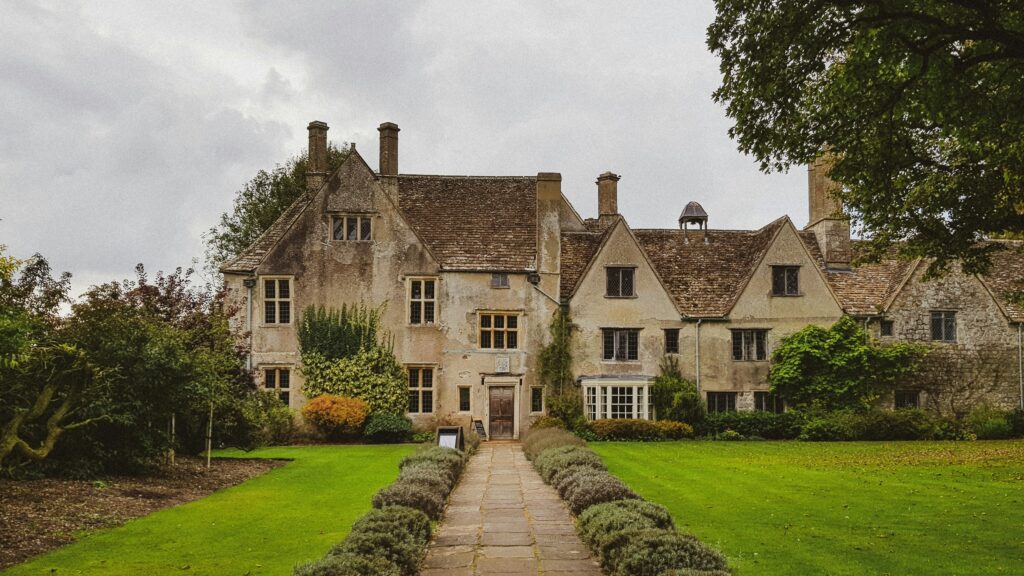
Applications within conservation areas, affecting listed buildings, or near sensitive sites may require heritage or environmental assessments. These increase the time it takes to prepare your application and the length of time required to review it.
Planning Officer Workload
Most LPAs are managing a large number of live applications simultaneously. Seasonal peaks or staff shortages can lead to slower turnaround times, even for straightforward proposals. During holiday season, expect delays from consultees commenting on planning applications and for decisions to be delayed due to elements outside of the control of the planning officer.
Tips for Speeding Up Planning Permission
The best way to reduce delays is to prepare thoroughly and submit a well-structured application from the start.
Check Local Requirements Early
Each LPA publishes a validation checklist, like this example from South Staffordshire Council. Reviewing your plans against this checklist before submission will help ensure your plans and certificates meet national and local expectations.
Prepare Complete, Accurate Drawings
Applications are only as strong as their drawings. You should carefully review your documents to check that floor plans, elevations and site boundaries are precise and consistent across your submission.
Engage Neighbours and the Council
Discussing your plans with neighbours before submitting can pre-empt objections, and early contact with a planning officer can clarify policy constraints. These small steps often save time later in the process. Most councils offer a pre-application service that allows informal feedback on your draft proposals. While it carries a small fee, it can help you avoid design issues that might otherwise lead to refusal or delay. Be aware though that if you seek pre-application advice your LPA may publish it or it could be requested through a freedom of information enquiry (although, this is extremely uncommon).
For official national guidance, the UK Government’s planning application process page sets out what happens at each stage.
Common Causes of Delay
Even well-prepared schemes can face delays during validation or determination.
- Planning officers sometimes need clarification or revised drawings to confirm compliance with policies. These requests pause progress until the applicant responds. It may not always be possible to respond to requests immediately if you need to liaise with other professionals involved, but prompt replies will help keep your application moving.
- If a planning officer cannot decide an application under delegated powers, it must go to a planning committee. Committee meetings are often held monthly, which can add several weeks to the process.
- Applications involving highways, drainage, ecology or heritage issues may need input from external specialists. Their assessments can extend the timeline beyond the standard eight-week target.
If permission takes longer than expected, you can contact your case officer for an update or check progress on your council’s website using your reference number.
Navigating the Planning Process
The exact process your application will follow will depend on your LPA, but the overarching process is broadly consistent. After validation, the proposal will be publicised for consultation, internal departments review it for compliance with policies, and a decision is issued; either by an officer under delegated authority or by a planning committee.
If your application exceeds the statutory timeframe without a decision, you have the right to appeal to the Planning Inspectorate. Whether this is appropriate will depend on your circumstances, most delays are informally resolved between the homeowner and LPA.
How a Planning Consultant Can Help Keep Things Moving
Working with a planning consultant is one of the most reliable ways to keep your application moving. A consultant can identify likely policy issues early, help prepare a fully compliant submission, co-ordinate with architects, technicians, and designers and manage communication with the LPA throughout the process.
At Holland Lloyd, we support homeowners through every stage of the planning process. Our Planning Support Service helps clients prepare applications that are accurate, policy-compliant and clear, minimising the risk of unnecessary delays.
FAQs
How long does planning determination take?
Most householder applications are determined within eight weeks of validation. Major developments can take 13 weeks or longer. This timeframe may differ if your Local Planning Authority (LPA) has a significant backlog, like Birmingham City Council.
Does the eight-week period include validation time?
No. The statutory clock starts only once the Local Planning Authority validates your application as complete. It will backdate your application to the submission if there are no requests for information but depending on the time taken to validate, it may then request an extension of time to ensure consultation with the public and consultees can take place.
Can you pay to fast-track a decision?
There is no formal fast-track service, although some local planning authorities offer this service, like Lichfield District Council. The best way to speed up approval is by submitting a well-prepared application and maintaining good communication with your case officer.
What if the council takes longer than eight weeks?
You can appeal to the Planning Inspectorate for non-determination, though most homeowners resolve this informally and agree an extension of time with their LPA instead.
How can a planning consultant help?
A planning consultant like Holland Lloyd ensures your application meets all requirements, liaises directly with officers and provides guidance on policy interpretation. This helps the process run more smoothly from start to finish.