
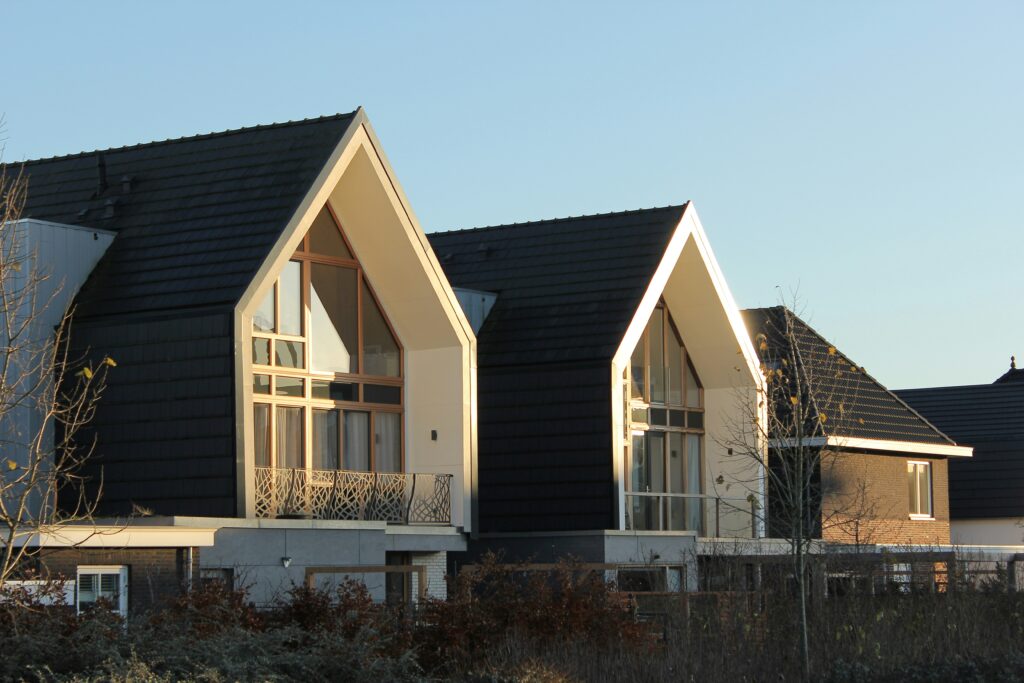
Planning a home extension or new build and worried about your neighbours objecting to planning permission? This guide explains the most common planning application objections, how to avoid a loss of privacy planning objection, what “right to light” really means, how to handle neighbours objecting to planning permission, and where a planning service like Holland Lloyd can help. Knowing the top reasons why neighbours raise concerns and how to address them is essential to give your application the best chance of success.
Top reasons for neighbours to object to planning permission
There are several reasons why neighbours might object to planning permissions, such as concerns about the impact on their own property, as well as how it could impact the surrounding area. Typical objections from neighbours include being overlooked or losing privacy, loss of light and reduced access to parking. While these are some of the most common objections, there may be others that are more specific to your property that you’ll need to consider.
Valid grounds for objection by neighbours
When a neighbour submits objections to planning permissions, the local authority will only take certain issues into account, known as ‘material planning considerations.’ Understanding what counts as a valid objection can help you focus on addressing potential objections that could lead to your application being rejected. Valid grounds for objection by neighbours include:
Overlooking / Loss of privacy
One of the biggest concerns from neighbours is that they will be overlooked by new windows, balconies or extensions. This can apply to the property and proposals should consider separation distances between properties, as well as the impact on area like gardens and patios.
Loss of daylight/sunlight and overshadowing
Adding a new structure or extending an existing one can mean that neighbours lose light in rooms or gardens. Structures should normally avoid breaking a 45 degree angle to windows in neighbouring habitable rooms. It’s important to consider this impact when drawing up your plans to minimise the risk of planning objections.
Noise concerns
Neighbours may have concerns about potential noise created by additional living spaces, home offices or entertainment areas. Construction-phase noise disturbance isn’t a material planning consideration and is usually managed by a construction management plan or specific conditions imposed on your development.
Increased traffic and reduced parking
If new dwellings are being constructed, neighbours may have concerns about increased traffic, especially on small residential roads, as well as reduced parking caused by additional vehicles.
Impact on design and character (including heritage impact)
This can be a key concern for neighbours, especially if proposed developments are considered out of scale or will harm the look of the surrounding area. Such objections are more likely if your development is sited in a conservation area or involves modifying a listed building.
Environmental concerns
New developments can create issues such as drainage problems, increase flood risk or have an impact on local wildlife.
Whilst Material Planning Considerations may be considered by the case officer/Local Planning Authority, personal objections, such as a loss of a private view or fears about reduced property values, won’t be considered.
Loss of Privacy Planning Objections (and How to Avoid Them)
Overlooking/loss of privacy is one of the most frequent grounds to object to planning permission. This type of objection may arise if your proposed application includes any of the following; a new window that overlooks an existing window, upper‑floor or roof terrace views into neighbouring gardens or habitable rooms, side windows facing boundaries or overbearing effects from the height/size of your development close to boundaries.
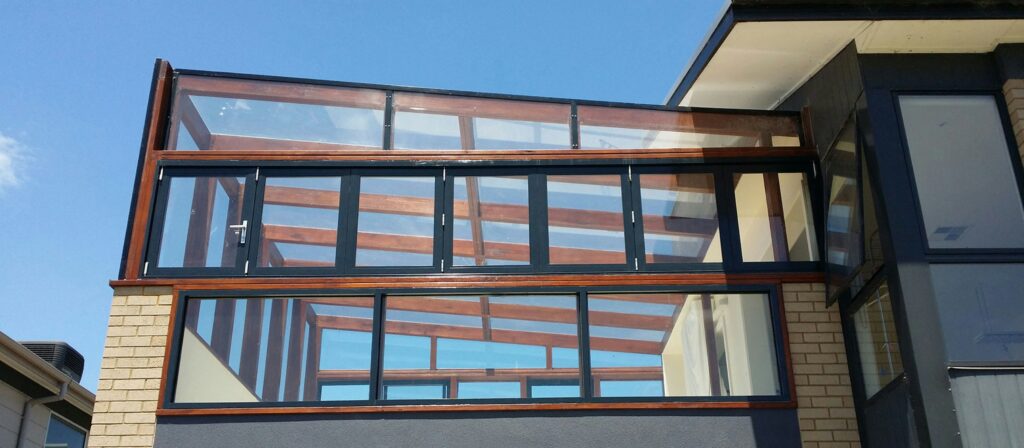
Before submitting your application, you should consider any potential privacy impact on your neighbours and plan for objections accordingly. If objections are very likely, consider whether small design changes could reduce the risk of your application being refused.
Common design changes include modifying window design (e.g. adding obscure glazing / raising internal cill heights to prevent downward views), swapping windows for rooflights to prevent downward views or adding privacy screens or solid balustrades to new balconies.
Is there a ‘right to light’ in the UK?
A ‘right to light’ exists under an easement that ‘gives a landowner the right to receive light through defined apertures in buildings on his or her land.’ In most cases, it applies if a window has enjoyed uninterrupted natural light for 20+ years. It was modified by the Rights of Light Act 1959, which allows neighbouring landowners to register a ‘Light Obstruction Notice’ to interrupt the prescriptive period and maintain development rights. While it is covered under property law, it is not covered under planning law. Disputes over the right to light are private/civil matters between neighbours and separate from a local council planning decision, which instead typically looks at daylight/sunlight impacts on neighbouring properties and open spaces.

In planning, officers typically assess daylight, sunlight and overshadowing (to gardens and windows of habitable rooms). Many Local Planning Authorities refer to the BRE Guide (BR209, 2022 edition) which sets out tests like:
- VSC (Vertical Sky Component)– how much sky is visible at a window.
- APSH (Annual Probable Sunlight Hours)– a sunlight metric for main living rooms.
- Garden overshadowing percentages at key times of year.
In addition to BRE metrics, many councils also apply a simple “45-degree rule” or “45-degree test” when assessing extensions close to neighbouring windows. This visual test checks whether the proposed extension breaches a 45-degree line drawn from the centre of the nearest neighbouring window—indicating potential loss of light or outlook.
If your project is sensitive (e.g., two‑storey side or rear extensions near windows), commissioning a BRE‑compliant daylight/sunlight report early can highlight any risk of likely objection.
Consider discussing your application with neighbours before applying for planning permission
One of the most effective ways to avoid neighbour objections is by meeting to discuss your plans with them in advance. Many applications involve little prior consultation with neighbours. Whilst this may feel awkward or risky it is one of the most effective ways to prevent objections to your application.

The aim of any discussions with your neighbours should be for them to leave with a solid understanding of your plans and a feeling that any concerns have been heard. Discussions should always aim to be cordial, respectful and collaborative. Do invite feedback but never promise changes on the spot. Always be clear that you will follow up with a clear summary of any concerns and notes on any changes you plan to incorporate to meet those concerns.
Showing your plans is essential, as is clearly explaining any privacy and light measures you’ve built into your design. You should also aim to flag any working hours expectations and access needs. Whilst construction noise/disruption is not a material planning consideration it remains one of the most common neighbour concerns. Showing ample consideration for concerns over construction disturbance can help neighbours show flexibility in other areas of the application. Finally, always remember to agree changes to working practices with your main contractor before making promises to your neighbours.
Obtaining pre-application advice from your local council
Most Local Planning Authorities (LPAs) offer pre-application advice. Submitting draft drawings for an officer’s informal view can help identify material issues early, highlight any technical reports they will expect and save time by shaping a proposal that aligns with local policy.
It’s very important to note here that pre-application advice isn’t automatically confidential and may be disclosed under freedom of information rules. Some LPAs even routinely publish pre-application advice! If you intend to obtain pre-application advice before discussing your application with neighbours, it is always a good idea to research how your LPA will disclose your communications.
Handling planning objections by neighbours
Firstly, review the comments objectively. Ultimately LPAs aim to make decisions based on a rational assessment of planning policy. You may need to consider modifying your plans if concerns are valid. As a minimum you will likely have to provide further supporting evidence.
Read comments thoroughly and separate material points from non-material issues. Speak to your case officer and ask what (in their view) would address the concerns raised. For example, could you incorporate further obscure glazing, a small set-back or extra screening to resolve privacy concerns?
Submit clarifications, where possible a short note with updated drawings can resolve misunderstandings. Some LPAs accept non-material amendments during determination of your application, whilst others may require revised drawings. Your case officer should be able to advise you here.
Ultimately if going to committee prepare a brief, calm statement focused on policy. You should aim to avoid neighbour debates or non-material considerations here.
If your decision is issued as approval with conditions, check you can discharge them. If your application is refused then you have the right of appeal. For householder appeals, you typically have 12 weeks from the decision date to submit an appeal. Neighbours cannot appeal a grant of permission but may pursue legal routes on process, e.g. judicial review. This route is uncommon for homeowner schemes due to cost and time.
How a planning consultant can help
A planning consultant works alongside your architect/designer to develop a scheme that meets relevant planning requirements. If you don’t have an architect or a designer, they can assist in providing recommendations for your project.
Starting early in the process with a planning support service can help minimise the risk of neighbour objections. Where unavoidable objections arise, they can advise on how to handle them sensitively and mitigate risks to the integrity of a proposed development.
At Holland Lloyd we offer a planning support service that’s been trusted by homeowners nationwide. We’ve helped homeowners extend their properties, replace their homes with ‘Grand Designs’ and deal with challenging neighbour objections in a strategic and constructive manner, to the benefit of all parties.
Whatever the stage of your application, contact us today for personal advice and support.
FAQs
What are the top reasons why neighbours object to planning permission?
Typical objections include privacy/overlooking, loss of daylight/sunlight and overshadowing, design.
What are valid neighbour objections to planning permission?
Material considerations include privacy/overlooking, daylight/sunlight and overshadowing, design/character and scale, highway/parking, noise/odour from the use, heritage, ecology/trees, drainage/flood risk, and conflicts with local or national policy.
Is right to light a planning issue?
Not directly. Right to light is a private civil law matter (commonly under the Prescription Act 1832). Planning decisions instead look at daylight/sunlight and overshadowing impacts, often with reference to BRE BR209.
Can neighbours appeal a planning decision?
No. There’s no third‑party right of appeal in the planning system. Only the applicant can appeal a refusal. Neighbours who believe a decision was procedurally flawed may seek legal advice about judicial review, which is understandably rare in homeowner applications.
How do I handle a loss of privacy planning objection?
Consider higher cill levels for side windows, obscure glazing to secondary rooms, angling windows, setting back terraces, adding privacy screens, and demonstrating sightlines in sections/3D views.
What counts as an unacceptable reduction in sunlight/daylight to a neighbouring property?
Planning officers may evaluate whether the proposed extension projects beyond a 45-degree line drawn from the centre of a neighbour’s nearest habitable window, and if so the development may be considered to cause unacceptable overshadowing or loss of outlook.