
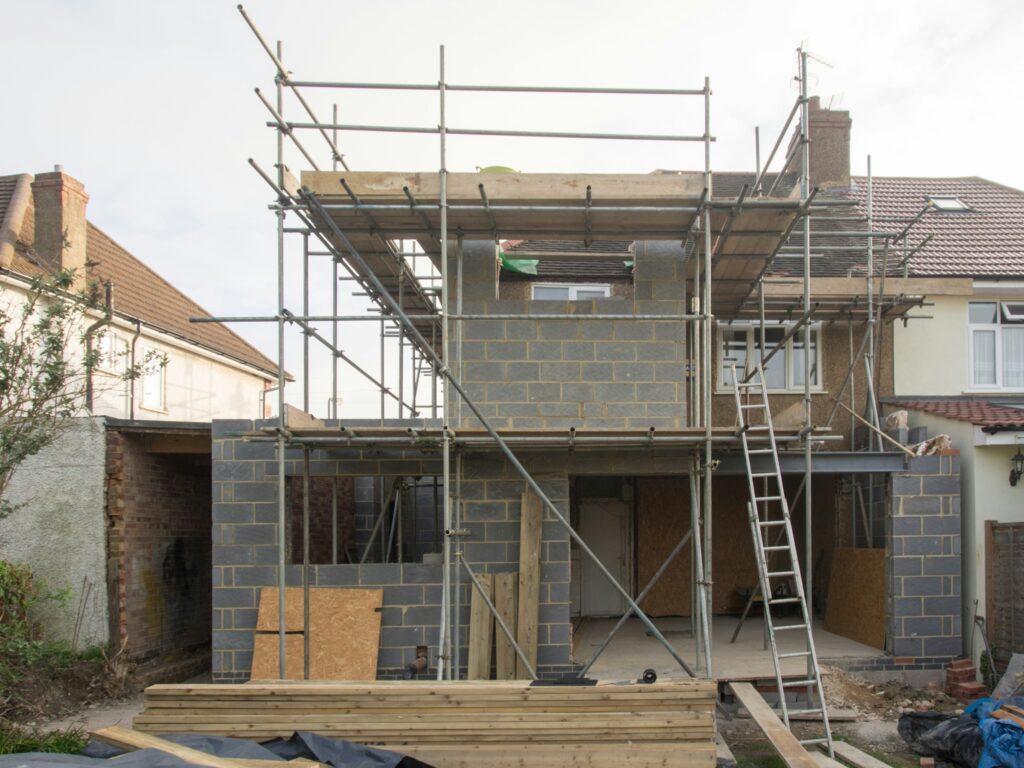
Planning permission doesn’t last forever. You have a fixed time period after securing planning permission for your home renovation or extension to start work. This guide explains how long planning permission lasts in the UK, what happens when it expires, and what you can do to keep your planning permission valid.
Understanding Planning Permission Duration
In most cases across the UK, planning permission lasts for three years from the date it is granted. This means that work must be ‘lawfully commenced’ within that period, not simply planned or scheduled. If no development begins before the expiry date, the permission lapses, and you’ll need to reapply for planning permission.
Lawful commencement simply means carrying out a ‘material operation’, typically a physical activity such as digging a foundation trench, laying sewers or pipes, or demolition work. Any pre-commencement conditions must also have been met for commencement to be lawful.
When your Local Planning Authority (LPA) issues a decision notice, it will clearly state the date permission was granted and when it will expire. It’s important to keep this document safe, as it forms the official record of your approval and sets out any conditions that apply.
While the three-year limit is standard under Section 91 of the Town and Country Planning Act 1990, some permissions may have shorter or longer timeframes.
Full vs Outline Planning Permission
For most home renovation or extension projects, you’ll receive full planning permission, which covers all design details and allows you to begin work once all conditions are met.
Larger or phased developments can receive outline planning permission, which establishes the principle of development first, with a later “reserved matters” application required before construction can begin. This is extremely rare for a home renovation or extension project, but it’s worth understanding the difference.
If you need more information about the process of getting planning permission, you can read our related guide on Top Reasons Neighbours Object to Planning Permission to understand how to improve your chances of approval.
Factors Affecting Planning Permission Validity

Even once permission is granted, several factors can affect whether it remains valid. Your planning approval will normally remain in force if you:
- Start work within the approved timeframe (typically three years)
- Comply with all conditions attached to the decision notice
- Ensure the works align with approved plans
If the approved design or conditions are not followed correctly, your permission could be deemed invalid, and your home renovation or extension may be subject to enforcement action.
What Happens When Planning Permission Expires?
If your planning permission expires before you start development, it ceases to have legal effect. You cannot carry out the plans that were previously approved unless a new planning application is submitted and approved.
Allowing your planning permission to lapse can cause several issues:
- You’ll need to submit a fresh application and pay new fees.
- Planning policies may have changed, meaning your scheme could now face stricter requirements or new design constraints.
- Your previous supporting documents (drawings, reports, surveys) may need updating or reissuing.
Most importantly, there is no guarantee that your new application will be approved, even if your earlier application was successful.
Before a new application is prepared, your council’s latest Local Plan and any supplementary planning guidance should be reviewed to understand whether local policies for your LPA have changed since your original approval.
Options if Your Planning Permission Is About to Expire
1. Lawfully Commence the Development
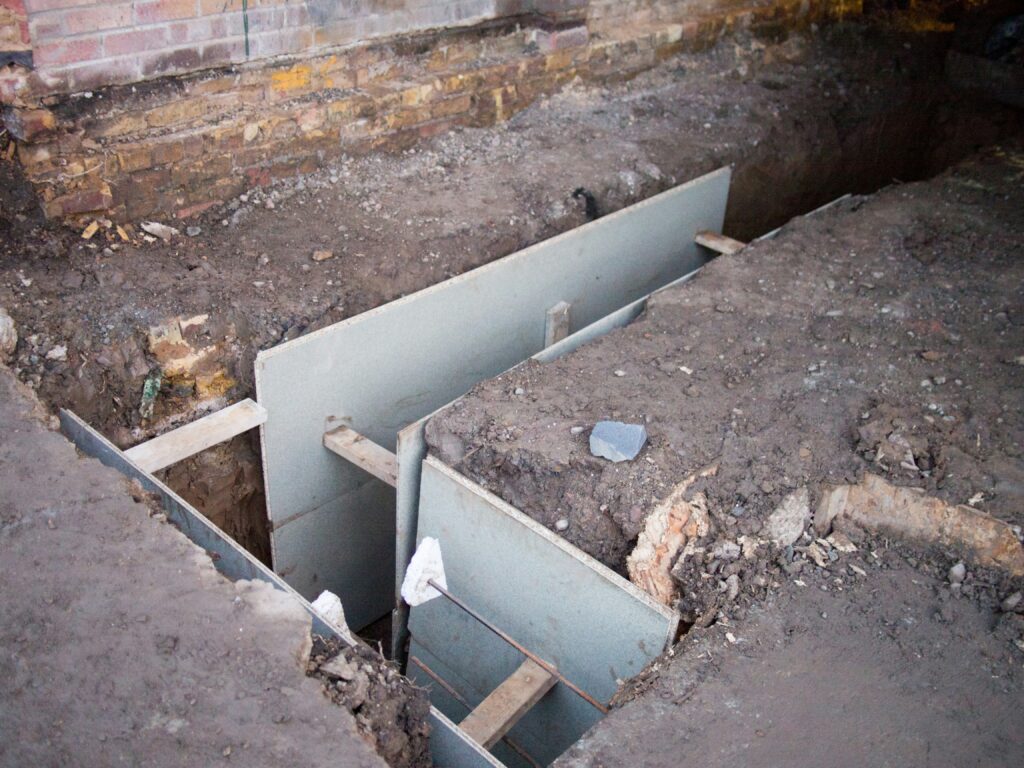
The simplest way to avoid expired planning permission is to start work. The entire project doesn’t need to be completed, but the development needs to be started in a meaningful and lawful way.
As summarised above, in planning law, “commencement” is usually demonstrated through one of the following:
- Carrying out demolition work
- Beginning the construction of a building
- Digging a trench for the foundations or services
- Installing underground infrastructure associated with the approved works (e.g. a new sewer, drainage, etc.)
To be valid, the works must comply fully with the conditions attached to the permission. If those conditions haven’t been discharged (for example, if the LPA required certain materials to be approved first), your commencement may not be considered lawful.
For further reading, see the UK Government’s Planning Practice Guidance on time limits for starting development.
2. Submit a New Planning Application
If commencement isn’t possible, you can submit a new full application for the same development. Approval isn’t guaranteed, especially if there have been policy changes or site constraints since planning permission was last granted on your home renovation or extension.
Generally, letting planning permission expire is unlikely to impact on your odds of getting planning permission for a second time. The Planning and Infrastructure bill gives local authorities greater discretion to refuse applications from developers who repeatedly allow permissions to lapse. However, this is extremely unlikely to apply to a home renovation or extension.
Learn more about the planning application process in our related guide: How to Handle Neighbours Objecting to Planning Permission.
3. Apply for a “Replacement” or Section 73 Permission
Where only minor adjustments or variations are needed, you may be able to apply under Section 73 of the Town and Country Planning Act 1990. This allows changes to the conditions of an existing permission — such as revised materials or slightly altered layouts — without reapplying from scratch.
A Section 73 application results in a new standalone planning permission, subject to its own time limits and conditions. It cannot, however, be used to extend an existing permission that has already expired.
Consequences of Letting Planning Permission Expire
If planning permission expires and you haven’t lawfully commenced development, any previous approvals are void and you’ll need to repeat the full application process.
Your site’s surroundings may have changed since permission was originally granted. Has a neighbour built an extension or made a change to their property since you were granted permission? If so, you could have to make design changes to mitigate overlooking or overshadowing issues that did not exist when the original application was made.
In some cases local planning policies may have changed, and that could impact the likelihood of your previous designs being approved.
How a Planning Consultant Can Help
If your planning permission is approaching expiry, a planning consultant can help you assess your options:
- Review your approval and confirm whether work has lawfully commenced
- Liaise with the Local Planning Authority to verify compliance
- Prepare evidence or drawings to demonstrate commencement
- Advise on whether a Section 73 or new application is appropriate
At Holland Lloyd, we help homeowners navigate planning timeframes, renewals, and compliance with confidence. Whether you’re looking to safeguard an existing approval or explore a redesign before reapplying, our Planning Support Service can guide you through every stage of the process. Contact us today for support and advice.
FAQs
How long does planning permission last?
In most cases, planning permission lasts for three years from the date of approval. Work must begin within this timeframe to remain valid.
Does planning permission expire once work starts?
No. Once development has lawfully commenced within the approved period, the permission remains valid indefinitely, even if construction pauses.
Can expired planning permission be renewed?
No direct renewals are available. You’ll need to reapply or seek a new approval, either through a full application or a Section 73 variation.
How do I know when my planning permission expires?
Check your decision notice from the Local Planning Authority. It will state the approval date and the condition specifying when the development must begin.
What happens if planning permission expires before I start work?
The approval lapses. You’ll need to reapply and cannot rely on the previous permission to start development.